Safe following distance: the three-second rule and why tailgating costs more than it saves
By the TripRank team · 7 November 2026 · 5 min read
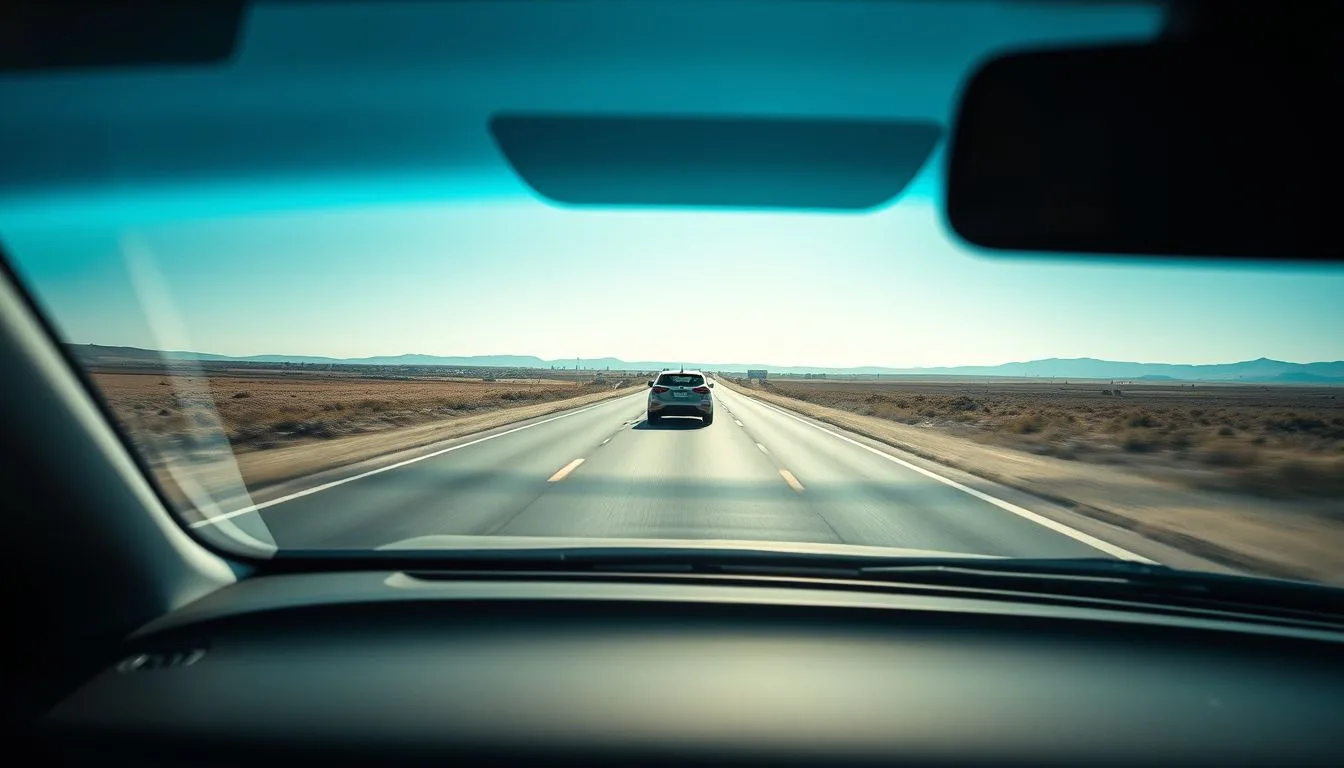
Most rear-end collisions are not about a failure of the brakes. They happen because the gap was too small for the driver's reaction time plus the car's stopping distance. A good gap buys you time, and time is what you need when the car ahead stops suddenly.
The three-second rule
- Pick a fixed point ahead, such as a sign, a bridge or a roadside pole.
- When the car in front passes it, start counting: "one thousand and one, one thousand and two, one thousand and three."
- If you reach the same point before you finish counting, you are too close. Ease off and try again.
Three seconds works at any speed because the distance grows with your speed. It is a minimum for good conditions, not a target to squeeze below.
When to make it bigger
- Rain or wet roads: double it to six seconds. See our monsoon driving guide.
- Fog or night: leave more room, because you see danger later. Read about driving in fog.
- Behind trucks, buses or two-wheelers: they can stop suddenly or lose control, and a big vehicle hides the road ahead from you.
- Heavy load or worn tyres: your car needs more distance to stop. Our tyre guide explains why tread and pressure matter.
- When you are tired: your reactions are slower. See drowsy driving.
Why tailgating does not save time
Driving close behind a car rarely gets you there faster. The lead car's speed sets your speed, and you pay for the closeness with constant braking and accelerating. That wastes fuel and tires you out. A bigger gap lets you roll through small slowdowns without braking, which is the whole idea of smooth driving.
What if someone tailgates you?
- Do not brake to "teach them a lesson". It is how crashes happen.
- Keep your speed steady and, if it is safe, move left to let them pass.
- Increase your own gap ahead so that if you need to brake, you can do it gently.
What TripRank shows
Close following shows up as hard brakes. In your trip summary, the pins on the map mark where you braked hard, and each one counts against the driving score. If you see a cluster in heavy traffic, try the three-second count on the same route next time and compare.
Want to see your own braking pattern? Record a drive with TripRank.
Frequently asked questions
What is the three-second rule?
Pick a fixed point ahead. When the car in front passes it, count three seconds. If you reach it before you finish, you are following too closely.
How much gap do I need in rain?
Double it, about six seconds, because wet roads lengthen your stopping distance.
Does tailgating save time?
Almost never. Your speed is set by the car in front, and you waste fuel and energy on extra braking and accelerating.
What should I do when someone tailgates me?
Keep a steady speed, do not brake suddenly, and move left to let them pass when it is safe.
 Car speedometer app: how to pick an accurate GPS speed app (and what to avoid)
 Car mileage tracker and logbook: how to log your trips automatically
 Car acceleration app: how to measure 0 to 100 km/h with your phone (safely)