
Brake pads and brake fluid: signs of wear and when to replace them
By the TripRank team · 14 November 2026 · 5 min read
Brakes wear out slowly, so most drivers notice only when something sounds or feels wrong. Checking early is cheap. Waiting is not.
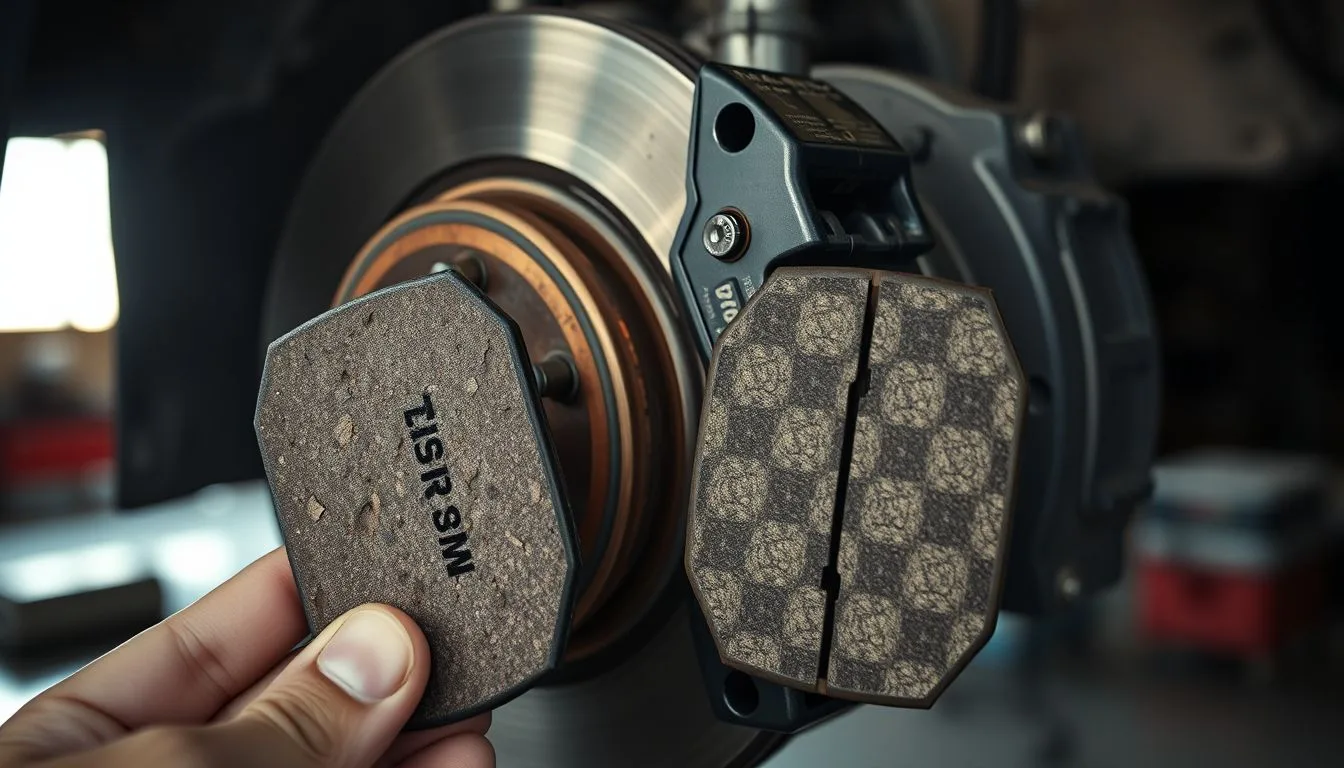
Signs your brake pads are wearing out
- A high squeal when braking lightly. Many pads have a small metal tab that squeals when the pad is thin.
- A grinding sound. This usually means the pad is gone and metal is touching the disc. Get it checked at once.
- A longer stopping distance or a pedal that feels softer than before.
- Vibration through the pedal or steering wheel when braking, which can point to warped discs.
- The car pulling to one side when you brake.
How long do pads last?
There is no single number. City driving with constant braking wears pads faster than open highway. Many pads last somewhere between 25,000 and 60,000 km, but your workshop can measure the thickness at every service. Ask to see it.
Why brake fluid matters
Brake fluid absorbs moisture over time. Wet fluid boils at a lower temperature, which can make the pedal feel spongy after long downhill stretches. Most makers suggest changing it every two to three years, so check your manual. This is especially useful if you drive on ghat roads.
Drive in a way that saves your brakes
- Look far ahead and ease off the accelerator early instead of braking late. See smooth driving.
- Keep a safe following distance so you brake gently.
- Use engine braking on long descents instead of riding the pedal.
- Avoid carrying extra weight you do not need.
After a wash or heavy rain
Brakes can feel weaker for a moment when wet. Press the pedal lightly a few times as you drive to dry the discs. If it does not improve, have them checked.
See your braking habits
Harsh braking events show up in your driving score. Record your drive with TripRank and watch how smoother braking changes the numbers, and probably your brake bills too.
Frequently asked questions
How do I know my brake pads need replacing?
Common signs are squealing, grinding, a longer stopping distance, a softer pedal and vibration when braking. A workshop can measure pad thickness.
How often should brake fluid be changed?
Many manufacturers suggest every two to three years because the fluid absorbs moisture. Check your owner's manual.
Is grinding from the brakes serious?
Yes. It often means the pad is worn through and metal is rubbing the disc, so get it checked straight away.
Does my driving style affect brake life?
A lot. Early, gentle braking and a good following distance make pads last longer than late, hard braking.
 Car speedometer app: how to pick an accurate GPS speed app (and what to avoid)
 Car mileage tracker and logbook: how to log your trips automatically
 Car acceleration app: how to measure 0 to 100 km/h with your phone (safely)