
Defensive driving in India: ten habits that keep you out of other people's mistakes
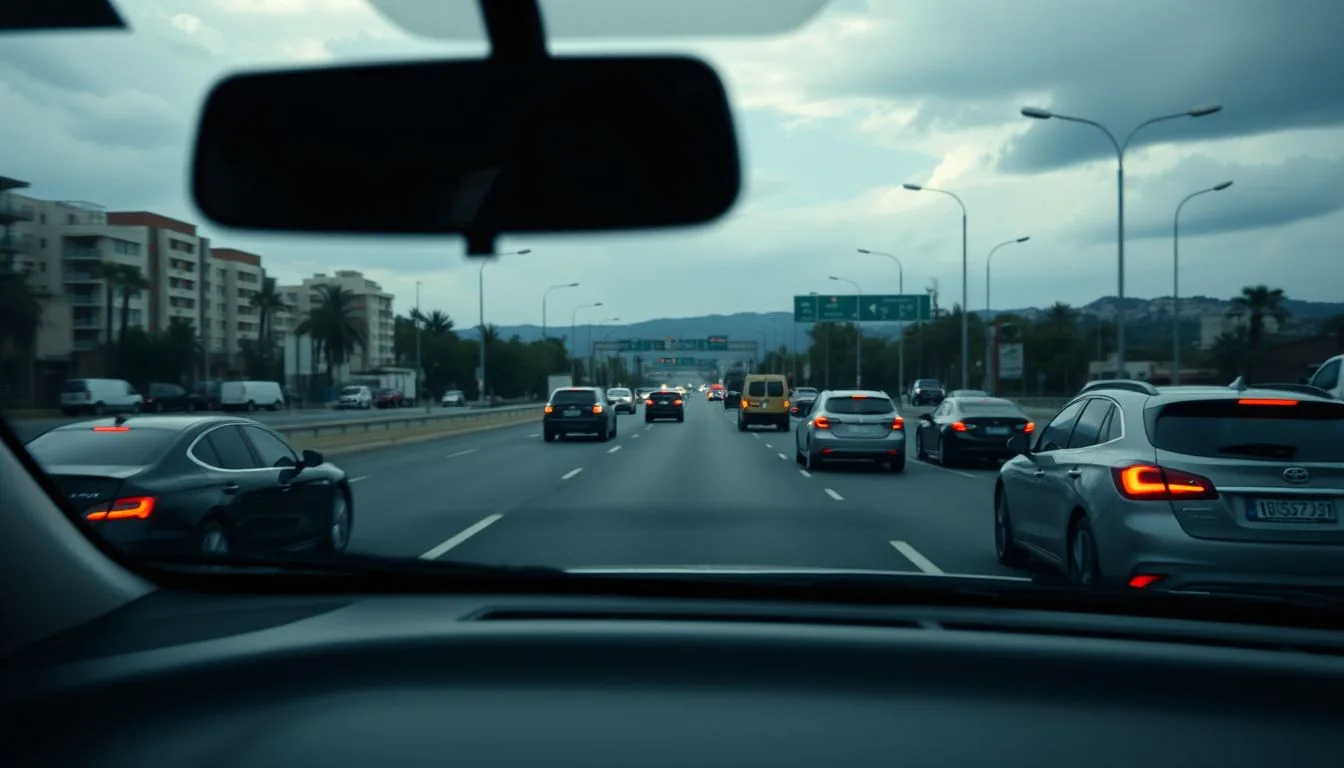
By the TripRank team · 10 November 2026 · 6 min read
Defensive driving means assuming that someone else will make a mistake and leaving yourself the time and space to deal with it. On Indian roads, with their mix of vehicles, animals and pedestrians, it is the most useful skill you can build.
1. Look far ahead
Scan 10 to 15 seconds down the road, not just at the car in front. Early warning gives you time to ease off instead of braking hard.
2. Keep a real gap
Use the three-second rule and add more in rain or at night.
3. Expect the unexpected
Assume a pedestrian may step out, a bike may filter through, or a vehicle may turn without signalling. Being surprised is what causes crashes, not the event itself.
4. Cover your brake near hazards
Near junctions, schools and crowded markets, slow down and keep your foot ready, which cuts reaction time.
5. Always have an exit
Try not to be boxed in. Leave room to your side or ahead so you have somewhere to go if the vehicle in front stops.
6. Be seen
Use your lights at dusk and in poor visibility, signal early and do not sit in someone's blind spot.
7. Manage your speed to the conditions
The speed limit is a ceiling, not a target. In rain, fog or heavy traffic, slow down. See monsoon driving tips and driving in fog.
8. Do not get drawn into anger
If someone drives aggressively, let them go. Winning the moment is never worth the risk.
9. Stay focused
Phone, food and heated conversations take your attention. Set your route before you start and mute notifications. Tired? Read about drowsy driving.
10. Review your drives
Hard brakes are clues. TripRank shows where they happened, so you can learn to spot the situation earlier next time and lift your driving score.
Frequently asked questions
What is defensive driving?
Driving so that you can avoid trouble even when others make mistakes, by scanning ahead, keeping space and anticipating hazards.
How far ahead should I look?
Look as far down the road as you can, roughly 10 to 15 seconds ahead, so you have time to react smoothly.
What should I do when another driver is aggressive?
Give them space and let them pass. Do not respond or race, since staying calm is the safest option.
Does defensive driving cost more time?
Rarely. It saves fuel and stress, and it avoids the delays caused by a collision.
 Car speedometer app: how to pick an accurate GPS speed app (and what to avoid)
 Car mileage tracker and logbook: how to log your trips automatically
 Car acceleration app: how to measure 0 to 100 km/h with your phone (safely)